


“I was trying to figure out what was the best thing for the women’s surf community. Is it surf therapy? Is it competition surfing? What is the actual thing they need? And this is where Black Girl Surf was born. We decided to make it competition” - Rhonda Harper, founder Black Girls Surf
Black Girls Surf was founded as a non-profit in 2014, with the goal to increase access to surfing for women and girls of colour, and create pathways to competitive surfing. Rhonda has been both the partner to; and the thorn in the side of the professional surf bodies ever since, diversifying the lineup and challenging the stereotype that surfing is a non-black sport.
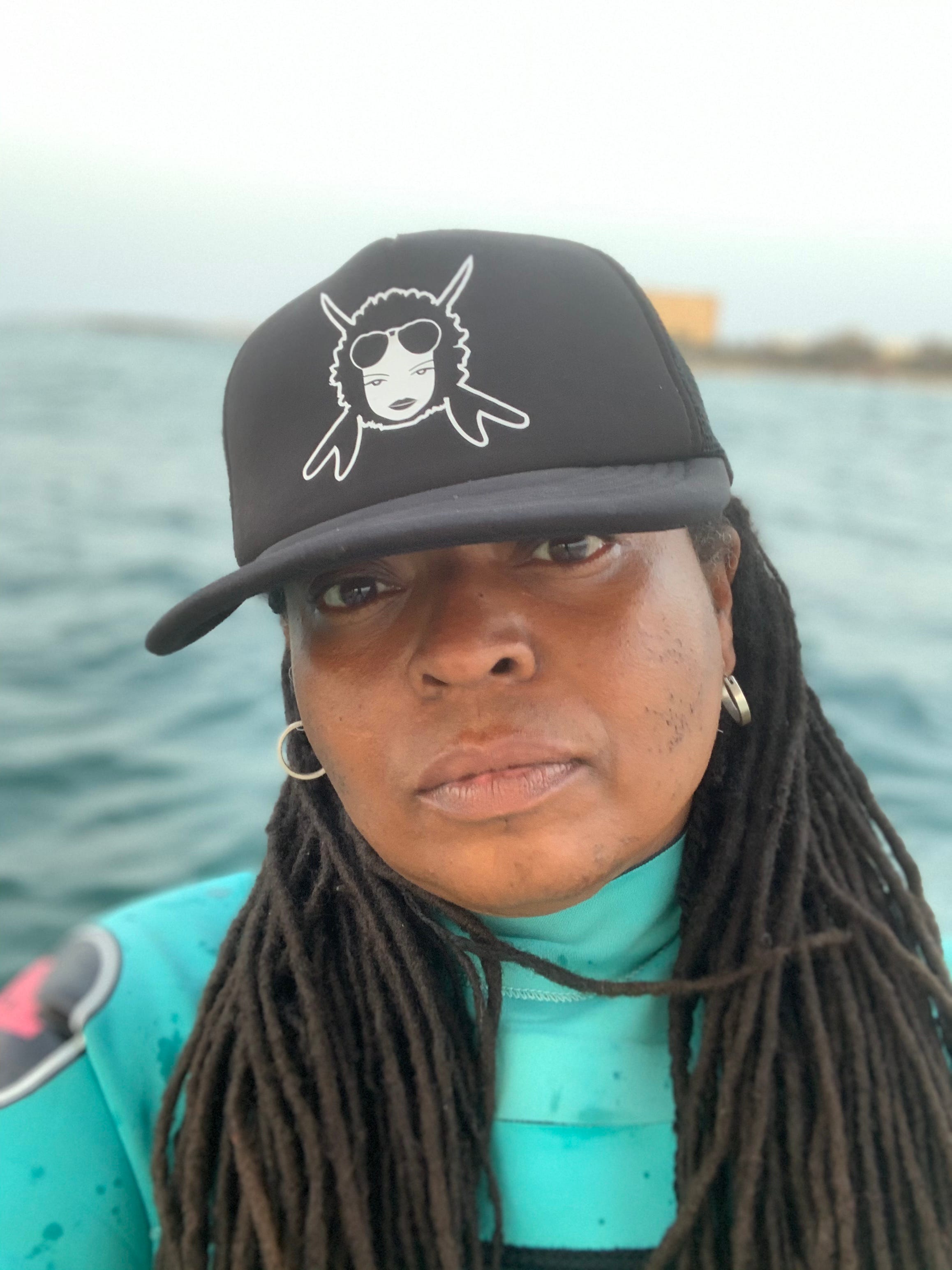
Her programmes now run in Senegal, Brazil, Ghana, Nigeria, Sierra Leone and the US. The organisation not only provides coaching, fitness training and mentoring to enable the girls to reach olympic level competition, but often financial support to ensure they gain access to the classroom during the process.
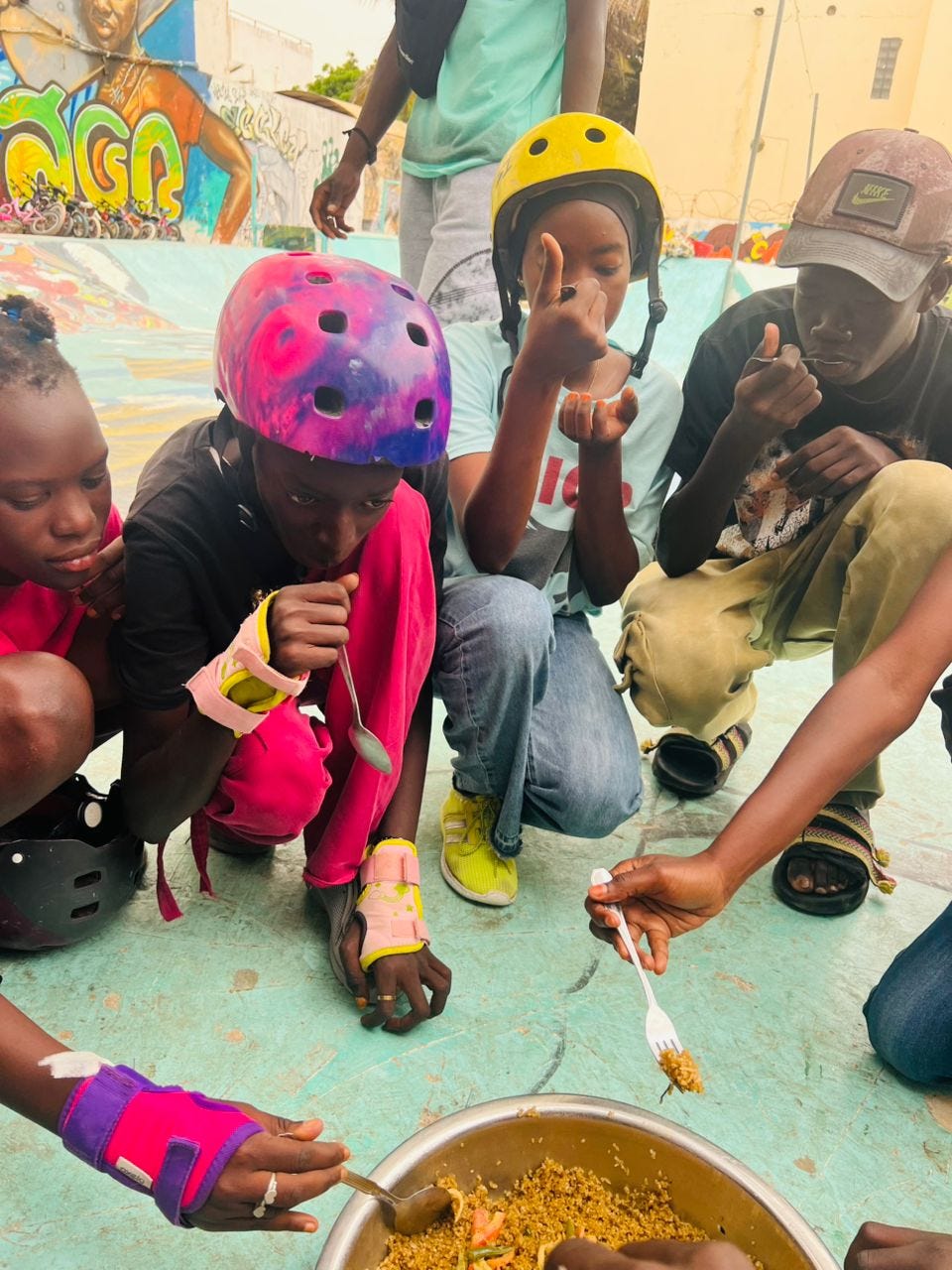
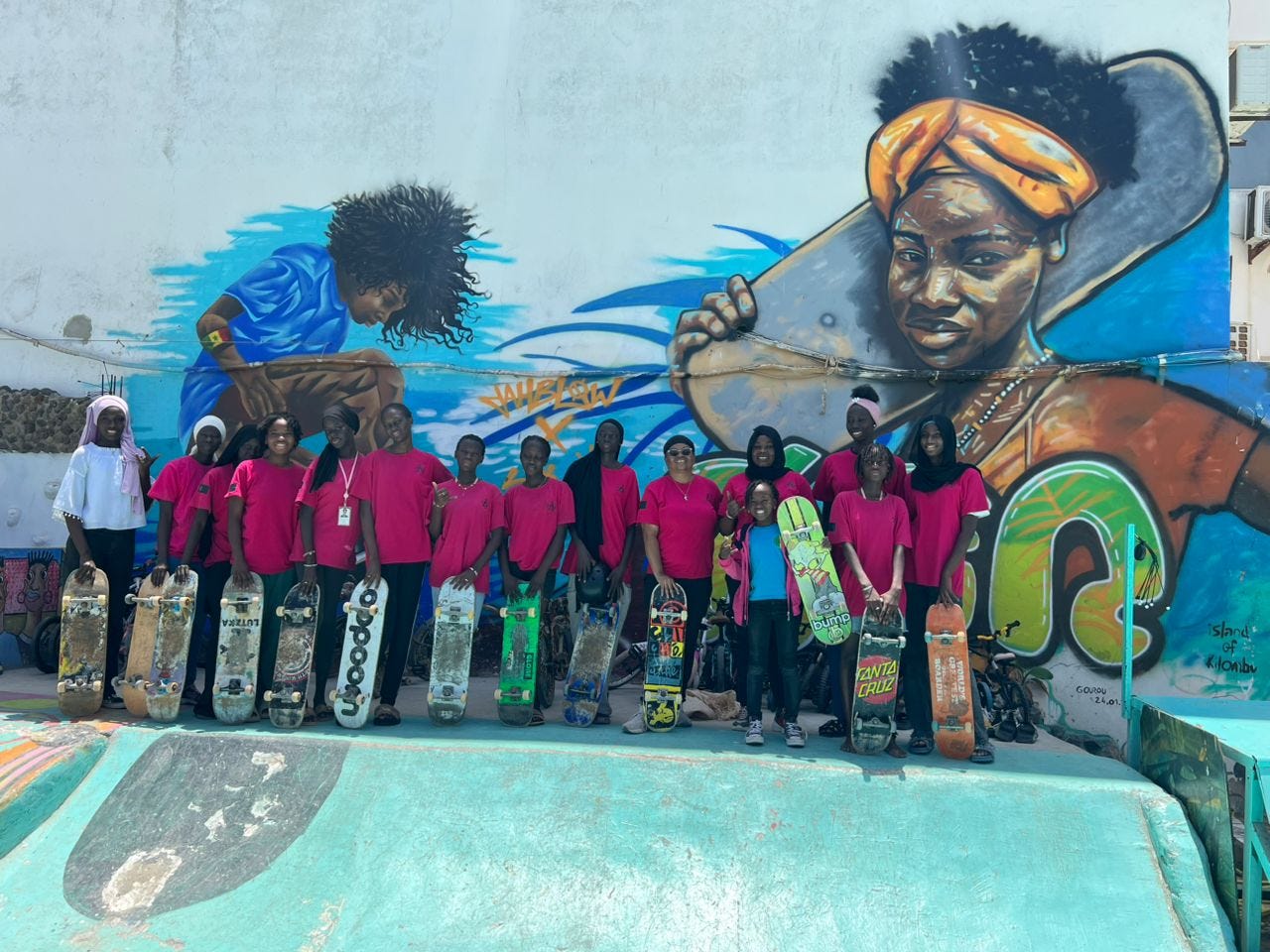
The organisation has helped to train and support trailblazers like Khadjou Sambe, Senegals first professional champion and Kadiatu Kamara, of Sierra Leone, the first African athlete supported through the BGS / ASI partnership. They’ve achieved mainstream cultural visibility through partnerships with brands like Hurley, Disney, Mcdonalds. Most of all they’ve made a difference on the ground in the communities they are present in.
It’s been a journey that hasn’t always been positive. Rhonda’s first experiences of surfing when she moved to the ocean in California at 10 were accompanied by horrific racial abuse, leading to her being sent to live with her sister on the north shore of Hawaii at 15.
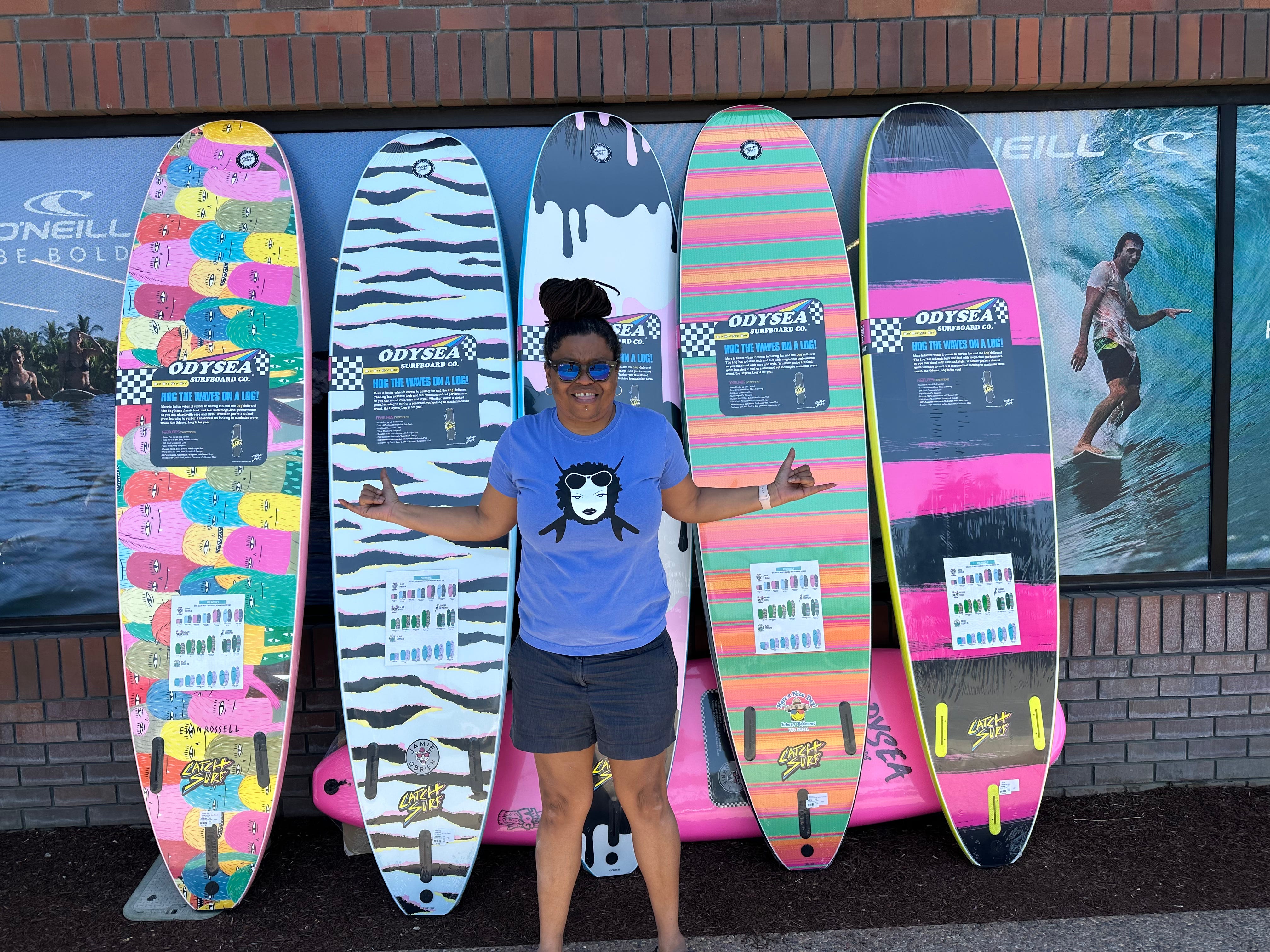
The surf club that she bought and grew in Dakar in Senegal during COVID-19 travel restrictions, whilst successful as a club in growing Olympic level athletes, was illegally occupied by a previous owner, leading to hostile dispute that ended up in court. They recently regained access to the space after a two year battle.
September saw the organisation withdraw their association with the Senegalese Surf Foundation, saying that whilst they were staying committed to surfing and the women in the area, they were concerned about the body in terms of the protection it offered the girls. They raised similar concerns about the ISA.
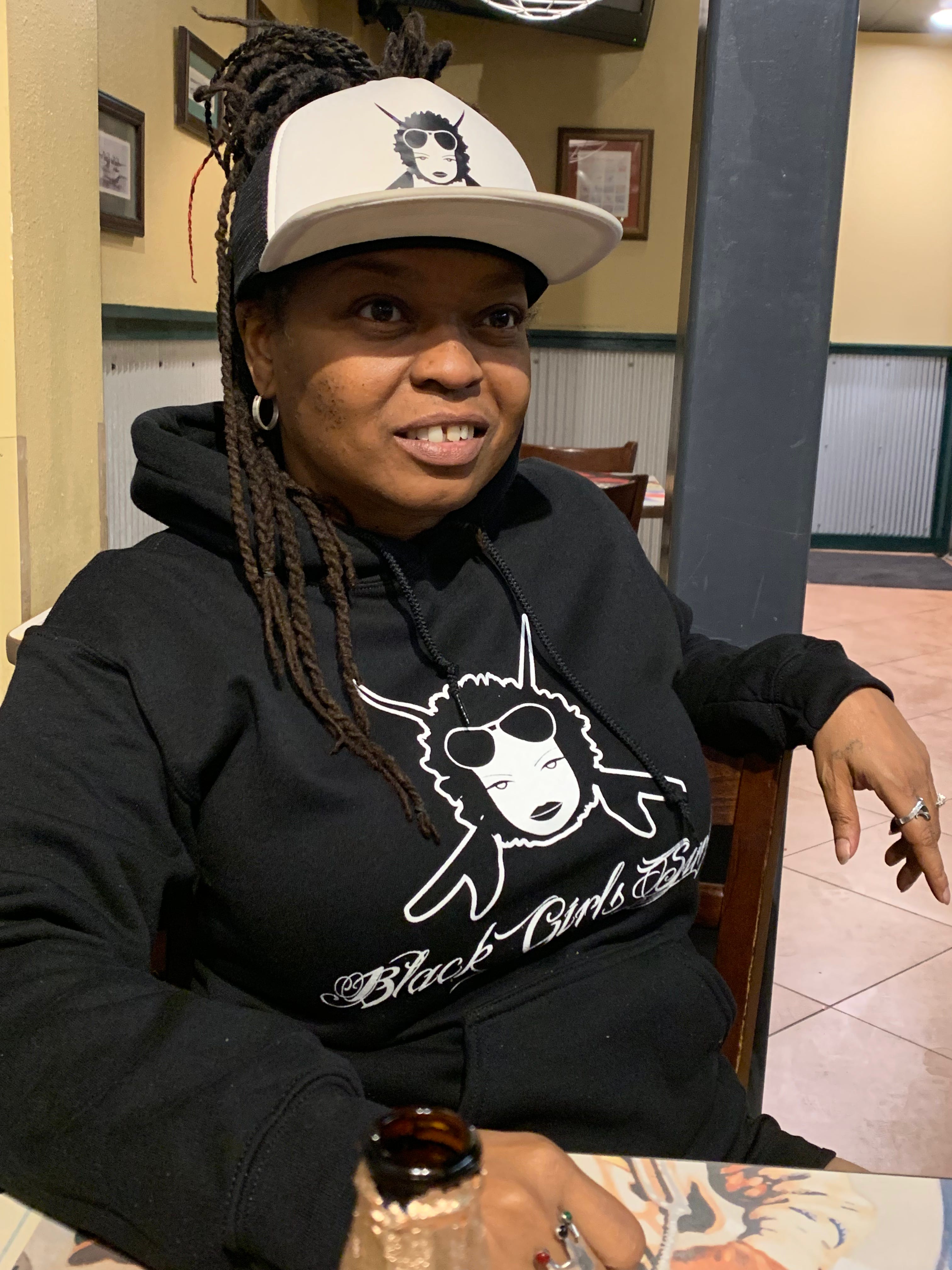
Rhonda is at the end of her time as the main face and driver of Black Girls Surf. It is clear from this interview that there has been little respite from her journey of campaigning. She hasn’t taken a holiday since the organisation began. She speaks of having to stay in her flat for months after a trip to Africa, because the level of oppression affects her mental state when on the ground. Shockingly (as a surfer interviewing her) she hasn’t surfed in years, her own personal demonstration for black women’s rights: if other women aren’t recognised in the water, she doesn’t feel she should have a place there either.
“You feel excluded. You’re looking at the brands, you’re buying the clothes. I was a Roxy supporter from the day they came out. That’s all I wore because I wanted to be connected to that. but then you don’t see anybody that looks like you, year after year after year”
The end of her journey for her means the end of constriction. It is clear she feels free to talk, to speak her mind about the work still to do, about atrocities she is fully aware of and feels others should have acted on; and to let others continue the journey she started.
The interview is complex as a result, Rhonda is like a cat, with nine lives under her belt, each challenging and creatively inspiring - from serving in the armed forces, to celebrity fashion designing, to corporate leadership, to being a journalist. Black Girls Surf was the culmination of her many eclectic skills and she has thrown herself into it, and she’s ready for the next chapter.
This interview covers so much:
Rhonda’s journey into skateboarding and later surfing
Dealing with racial prejudice in the water
Moving to Hawaii as a pre-teen & finding her love of surfing
The founder story of Black Girls Surf and building it as a brand
Opening the surf club in Senegal during lock down
Her next era post Black Girls Surf - and finding her voice
I felt a lot of responsibility with this one. It may well be her last interview - I hope we’ve done your story justice Rhonda, we loved speaking to you.
Listen to the full episode on your favourite platform by searching Board Women - or find the Spotify episode here or the Apple episode here
Caroline,
Board Women Founder
Please note, the views expressed in this podcast are those of the interviewee Rhonda Harper, and are not the views of Board Women, or its team.
Producer: Selma Chalabi
Presenter: Caroline Keylock


